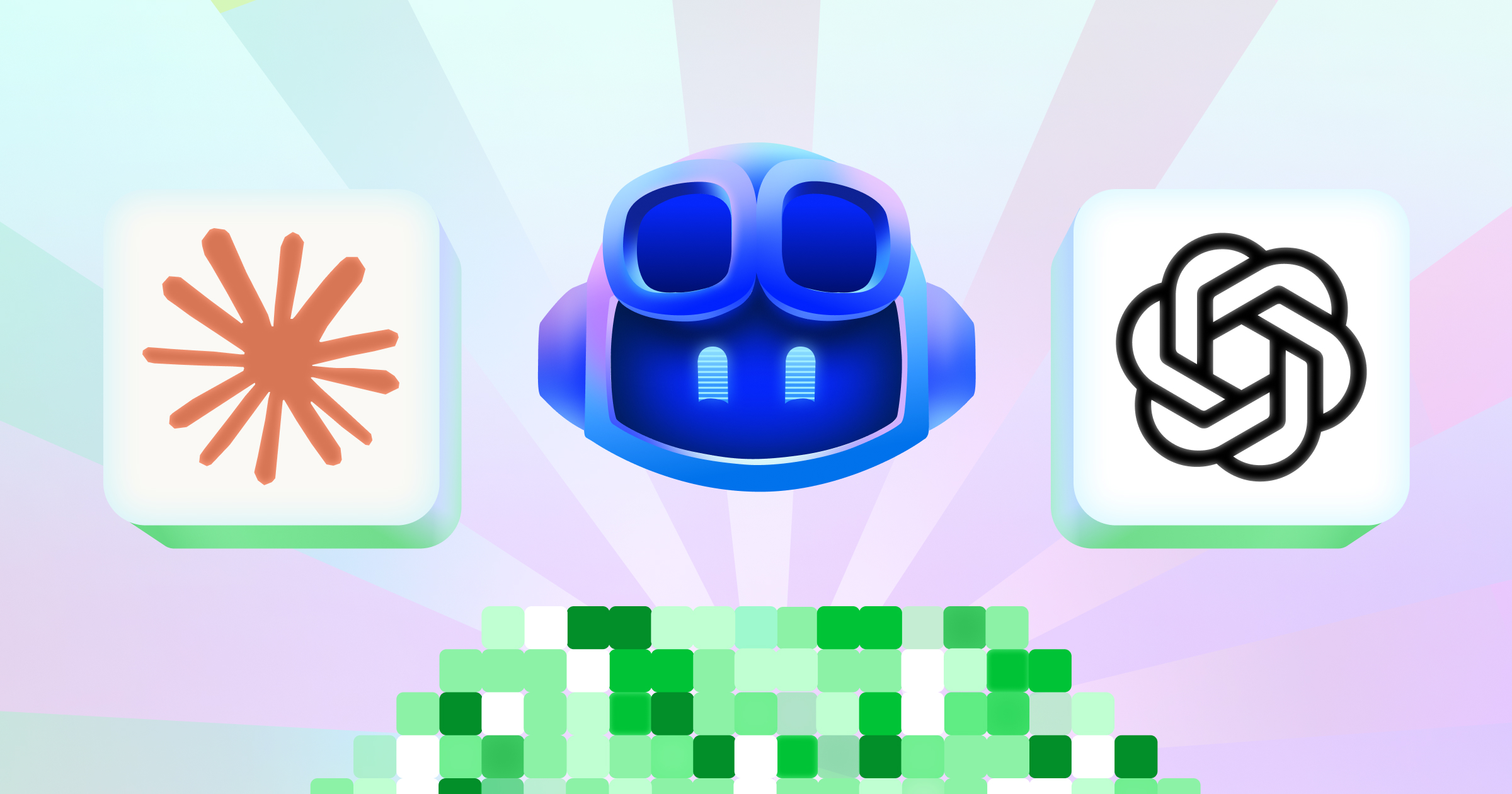
GitHub Agent HQ is a platform that enables developers to run coding agents from multiple providers directly within their GitHub and VS Code environments. It is designed for Copilot Pro+ and Copilot Enterprise users who seek to leverage advanced AI assistance from a variety of sources, including GitHub Copilot, Claude by Anthropic, and OpenAI Codex, all integrated seamlessly into their existing workflows. The product aims to centralize and streamline the use of AI-powered coding tools, eliminating the need to switch between different platforms or interfaces, thereby enhancing productivity and code quality. By bringing these agents directly into the development environment, GitHub Agent HQ provides a unified experience that caters to the diverse needs of modern software teams, from individual contributors to large enterprise organizations.
Developers today face significant challenges in managing and utilizing the growing ecosystem of AI coding assistants effectively. Many teams rely on multiple AI tools from different providers, each with its own interface, authentication, and usage patterns, leading to fragmentation and inefficiency. This disjointed approach forces developers to context-switch constantly, disrupting their flow and reducing overall productivity. Additionally, integrating these external tools into existing CI/CD pipelines and version control systems can be complex and time-consuming. The lack of a centralized platform for managing AI agents means that valuable insights and code suggestions remain siloed, preventing teams from leveraging the full potential of these advanced technologies in a cohesive manner.
One of the primary features of GitHub Agent HQ is its ability to host agents from multiple providers within a single, integrated environment. This means developers can access GitHub Copilot, Claude by Anthropic, and OpenAI Codex without leaving their GitHub or VS Code interfaces. The platform handles authentication, API calls, and response management transparently, providing a consistent user experience across all agents. This integration reduces the cognitive load on developers, allowing them to focus on writing code rather than managing tools. By supporting multiple providers, GitHub Agent HQ ensures that teams can choose the best agent for specific tasks, whether it's code completion, refactoring, debugging, or documentation, all from within their familiar development ecosystem.
Another key feature is the seamless integration with GitHub's existing suite of tools, particularly for Copilot Pro+ and Copilot Enterprise users. GitHub Agent HQ leverages the infrastructure and permissions already in place within GitHub organizations, ensuring that agent interactions adhere to security policies and access controls. Agents can operate directly on repositories, pull requests, and issues, providing context-aware suggestions based on the actual codebase. This deep integration enables agents to understand project-specific patterns, dependencies, and coding standards, leading to more accurate and relevant assistance. The platform also supports collaborative features, allowing teams to share agent configurations, prompts, and workflows across projects, fostering consistency and knowledge sharing.
admin
GitHub Agent HQ includes advanced workflow capabilities that transform one-off prompts into repeatable, reviewable processes. Custom agents can be configured to understand specific tech stacks and team workflows, automating routine tasks and enforcing best practices. For example, agents can be set up to automatically review pull requests for security vulnerabilities, suggest performance optimizations, or generate documentation based on code changes. These workflows can be version-controlled, tested, and refined over time, just like any other piece of software. This turns AI assistance from a reactive tool into a proactive component of the development lifecycle, enabling teams to scale their productivity and maintain code quality across large, complex projects.
Technically, GitHub Agent HQ operates by embedding agent runtimes directly into the GitHub and VS Code environments, using secure, sandboxed execution contexts. It communicates with external AI providers via authenticated APIs, caching responses and managing rate limits to ensure reliability and performance. The platform uses GitHub's existing authentication and authorization systems, so users don't need separate credentials for each agent. It also integrates with language servers and other development tools to provide real code intelligence, going beyond simple pattern matching to understand syntax, semantics, and project structure. This technical approach ensures that agents are both powerful and safe, operating within the constraints of the user's environment and permissions.
The benefits of using GitHub Agent HQ are substantial and measurable for development teams. By centralizing AI agents, it reduces tool sprawl and minimizes context switching, leading to faster development cycles and higher code output. Teams can leverage the strengths of different AI models for specific tasks, improving the quality and accuracy of code suggestions. The integration with GitHub workflows means that AI assistance becomes part of the standard development process, catching issues early and reducing technical debt. Additionally, the platform provides usage analytics and insights, helping organizations optimize their AI spend and understand how agents are impacting productivity. These outcomes translate to tangible business value, including reduced time-to-market, lower maintenance costs, and improved developer satisfaction.
Concrete use cases for GitHub Agent HQ span various development scenarios, such as automated code reviews where agents analyze pull requests for bugs, security flaws, or style violations before human reviewers engage. In legacy code modernization, agents can help refactor outdated patterns, update dependencies, and add tests, accelerating migration projects. For onboarding new team members, agents can explain codebase structure, suggest relevant documentation, and provide examples of common patterns, reducing ramp-up time. In incident response, agents can quickly analyze logs, suggest fixes, and even generate patches, minimizing downtime. Each of these use cases leverages the platform's ability to integrate multiple agents and workflows into existing tools, making complex tasks more manageable and efficient.
GitHub Agent HQ targets professional developers, engineering teams, and enterprises already using GitHub and VS Code, particularly those subscribed to Copilot Pro+ or Copilot Enterprise plans. It integrates deeply with the GitHub ecosystem, including repositories, issues, pull requests, and actions, as well as with VS Code extensions and language servers. The tech stack builds on GitHub's existing infrastructure, ensuring scalability and security. Pricing is tied to the Copilot Pro+ and Copilot Enterprise tiers, with usage potentially consuming GitHub AI Credits as part of a usage-based billing model. This makes it accessible to organizations of all sizes while aligning costs with actual value derived from the agents.
In summary, GitHub Agent HQ represents a significant step forward in integrating AI into the software development lifecycle by providing a unified platform for multiple coding agents within GitHub and VS Code. It addresses the fragmentation and inefficiency of using disparate AI tools, offering a cohesive experience that enhances productivity, code quality, and collaboration. By leveraging existing GitHub infrastructure and focusing on the needs of professional developers, it delivers practical value that scales from individual contributors to large enterprises, making advanced AI assistance an integral part of modern software engineering.
GitHub Agent HQ targets professional developers, engineering teams, and enterprises already using GitHub and VS Code, particularly those subscribed to Copilot Pro+ or Copilot Enterprise plans. It is designed for organizations seeking to leverage multiple AI coding assistants in a unified, integrated manner without disrupting existing workflows. The platform caters to teams dealing with complex codebases, legacy systems, or rapid development cycles who need scalable AI assistance for tasks like code review, refactoring, debugging, and documentation. It also appeals to development leads and engineering managers looking to improve productivity, enforce standards, and optimize AI tool usage across their teams.
Updated 2026-02-28