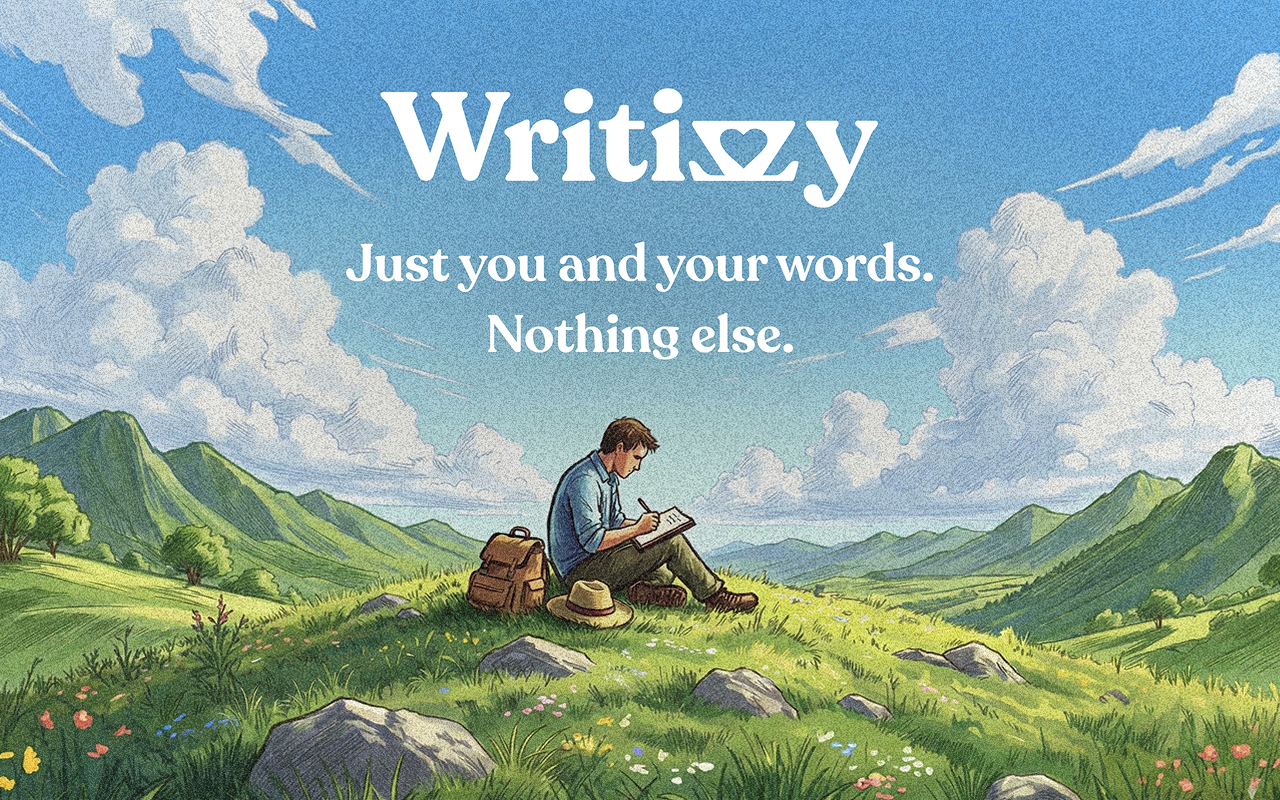
Writizzy is a minimalist blogging platform designed for writers, creators, and indie publishers who want to focus on their words without distractions. It provides a clean, clutter-free editor alongside built-in tools for newsletter distribution, paid subscriptions, and analytics, all without charging any commission on your earnings. The platform bundles high-performance themes, custom domain support, and hassle-free import from services like WordPress, Ghost, or Substack, making it a complete solution for building and growing a blog under your own brand. Whether you are starting a personal blog or managing a multi-author publication, Writizzy’s optional features remain out of your way until you need them, and flexible plans—including a generous free tier—mean you only pay for what you use. This approach eliminates the usual fragmentation of using separate blogging, email, and monetization tools, letting you run your entire content presence from one dashboard. By removing technical overhead and hidden fees, Writizzy empowers you to spend more time writing and to build genuine audience connections.
Many bloggers struggle with overly complex platforms that distract from writing, force third-party integrations, or take a significant cut of subscription revenue. Writizzy solves these pain points by offering a unified, distraction-free environment where every essential function lives natively inside the platform. Instead of juggling a blogging CMS, a newsletter service, and a membership plugin, users get everything in one place—from drafting and publishing posts to sending emails and collecting payments. The platform’s 0% commission model is particularly valuable for creators who depend on paid content income, because they keep all the money their readers pay. The simplicity also extends to setup: new bloggers can start writing within minutes, while experienced users can import existing content in a few clicks. This removal of friction and cost directly matters to anyone who wants to write more and manage tech less, making blogging accessible and financially rewarding again.
One of the standout feature groups is Paid Subscriptions, which lets you monetize your content directly through Stripe-powered premium tiers. You can set up different subscription levels—such as monthly or yearly plans—and gate specific posts or newsletters behind a paywall. Because Writizzy never takes a percentage of your transactions, every dollar a reader pays reaches your bank account. Setting up paid subscriptions requires no coding, and the entire subscriber management, payment handling, and content delivery are integrated into the same dashboard you use for writing. This means you can build a sustainable revenue stream without relying on external members-only plugins or separate e-commerce tools. The benefit goes beyond just earning money: it also deepens your relationship with your most loyal readers by offering them exclusive content while keeping full control over pricing and subscriber data.
admin
Another major feature group is the Built-in Newsletter, which turns your blog readers into email subscribers without any third-party service. When you publish a new post, the platform can automatically send it as an HTML email to your subscriber list, ensuring your audience never misses an update. You manage all subscriber lists, email templates, and sending behavior from the same interface, eliminating the need to connect Mailchimp, ConvertKit, or similar tools. This direct integration streamlines your workflow: write a post, hit publish, and the newsletter goes out either immediately or on a schedule you define. Because the newsletter engine is native, your emails match your blog’s branding, and you own all subscriber data outright. For writers who value independence and minimal tech overhead, having newsletter capabilities baked into the platform saves both money and time while strengthening reader engagement.
A third critical feature group is the Import & Export system, which ensures you are never locked into one platform. Writizzy provides one-click migration tools for WordPress, Ghost, Substack, and Medium, so you can bring over your existing posts, pages, and media with minimal effort. The import process preserves your content structure and formatting, letting you pick up right where you left off. Equally important, you can export your entire content archive at any time—posts, settings, and media—in standard formats that can be moved to another platform if you ever choose to leave. This anti-lock-in philosophy is reinforced by custom domain support with automatic SSL certificates, so your blog’s web address always stays under your control. Combined with a full REST API for developer access, these capabilities give you complete ownership of your content and the freedom to shape your blog’s future without fear of losing access to your work.
Writizzy’s overall approach is built around the idea of a writing-first workflow that gets out of your way. When you log into the editor, you are greeted by a minimal interface with a rich text editor, automatic saving, and keyboard shortcuts that let you write without ever lifting your hands. There are no sidebars full of plugins or complicated settings visible unless you choose to activate features like analytics, paid subscriptions, or team collaboration. Posts are composed in a distraction-free space, and once you are ready, publishing happens with a single click. From there, the platform handles SEO basics—meta tags, sitemaps, structured data—automatically, and if you have connected a custom domain and newsletter, distribution begins immediately. This methodology means you can concentrate on crafting your message while the underlying infrastructure silently takes care of performance, indexing, and delivery, aligning with the indie philosophy of keeping things simple yet powerful.
Real-world use cases demonstrate how different creators benefit from Writizzy. A first-time blogger who had always been intimidated by complicated CMS interfaces can sign up for the free plan, choose a beautiful theme, and publish a personal essay within the same day, using the built-in newsletter to start building an audience from post one. A newsletter writer migrating from Substack imports their entire archive, maps their custom domain, and activates paid subscriptions to keep earning subscription income without changing their readers’ experience, while gaining deeper analytics and full revenue control. A small content team uses the team blogging feature to invite multiple authors with role-based permissions, managing a publication that blends editorial content and member-only newsletters, all under one brand. In each case, the outcome is a smoother, more cost-effective operation where creators own their platform and nurture direct reader relationships.
Writizzy targets bloggers, independent writers, newsletter authors, indie hackers, and small teams who value simplicity and ownership. It runs entirely in the browser with a developer-friendly REST API, and all sites benefit from edge caching and high-performance generation, making pages load lightning fast. The platform is bootstrapped by two indie founders and hosted in Europe, with a strong emphasis on privacy—no user tracking and no selling of data. Pricing includes a free tier with 100MB storage, basic analytics, and 100 newsletter subscribers; a Starter plan at €9/month with custom domains and 5GB storage; a Premium plan from €20/month with unlimited analytics and up to 75,000 subscribers; and a Teams plan from €50/month for collaborative blogs. In summary, if you need a minimalist blogging platform that combines writing, newsletters, and paid subscriptions without taking a cut, Writizzy provides everything required to start and grow your own audience on your terms.
Bloggers, independent writers, newsletter creators, indie hackers, and small content teams who want a clean, distraction-free space to publish. It is especially suited for those migrating from WordPress, Ghost, or Substack who value owning their brand through custom domains and keeping 100% of subscription revenue. Users include solo creators launching personal blogs, paid newsletter authors monetizing directly, and collaborative teams managing multi-author publications under one roof.
Updated 2026-02-28